Memory Foam Mattresses
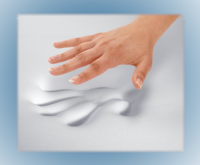
Interest and sales of memory foam mattresses have increased over the years as more and more people look to ditch their traditional coil spring mattresses for a memory foam bed that can help provide a more restful night of sleep.
Memory foam is made from a material called Visco Elastic, which was invented for the space program by NASA around 50 years ago.
Used to construct spaceship seats and cushions, the material's dense, open chamber construction enabled astronauts to experience greater comfort and less stiffness after extended sitting.
Through the years, memory foam has been used for a variety of other applications, including as a cushioning material for helmets, shoes, seat pads, prosthetics, hospital beds, and other products.
Benefits of Memory Foam Mattresses
Mattresses constructed with memory foam help relieve back, shoulder, neck and other pain by providing enhanced support and comfort. In addition, sleeping on memory foam distributes body weight evenly and helps control variances in body temperature to promote healthy, restful sleep.
For example, points of pain will often emit slightly higher temperature levels than other pain-free parts of the body. This can disrupt rest, causing people to have difficulty falling asleep or staying asleep.
Yet, memory foam adjusts its softness to heat and pressure points, providing enhanced cushioning to the neck, back, shoulders, and other potentially painful "hot spots" of the body.
As a result, many find that memory foam beds, toppers, and pillows help reduce pain and enhance their quality of sleep.
Conversely, coil spring mattresses can place pressure on the neck and other parts of the body. This pressure has the potential to intensify pain when the individual awakens. do not cradle like memory foam. Rather they force the neck to bend.
What to Look for When Buying
When considering and comparing memory foam beds, toppers, and pillows, look for consistent foam density and ensure materials are made of 100 percent Visco Elastic. Some manufacturers mix other materials into the foam, which compromises quality.
For beds, look for foam density between 2.25-2.75 kg. or 5-6 lbs. for the best quality. Also, consider whether you prefer a soft, medium or firm mattresses. Memory foam beds are rated based on an "indentation load deflection" scale, which differs from the foam density. The higher the number on the scale, the firmer the mattress.
Before making your purchase decision, "test" the mattresses you are considering by lying on each to determine which feels the most comfortable and is best suited to your needs.
For more information, click here: Tips for Buying a Mattress with Memory Foam
Related Information - Memory Foam Mattresses
Types of Mattresses
Mattress Pad Considerations
Mattress Toppers
Natural Sleep Remedies
Mattresses to Stop Morning Back Pain


Share Sleep Tips Do you have a great tip to share with others who are struggling with sleep? What works for you might help someone else.  |